|
|
|
 |
Trishuli River Rafting (1 Nights/2 Days)
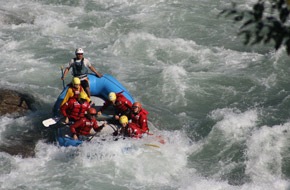
For first time paddlers, a trip down the Trishuli is an experience not to be missed (class 2-3+ in high water). While you learn to handle the river's well spaced, straightforward rapids, a panorama of stunning gorges drifts quietly past. During the monsoon, the river promises a more challenging ride, with powerful rapids and whirlpools. This trip can easily be combined with a visit to Chitwan National Park or Pokhara.
The Trishuli River plummets down from Gosainkund Lake and is the most popular river in Nepal. This is probably because an expedition on this river can be combined with a trek to various other tourist destinations. This river is accessible from both Kathmandu and Pokhara and 1 to 3 days rafting expeditions are offered here. This river is famous for exciting rapids such as “Upset, Bijuli, Lady's Delight, Surprise” etc. During the monsoon (rainy season) it becomes extremely difficult to raft on because of fast rapids, whirlpools and huge waves. This season attracts serious rafters and kayakers from around the world. Rafting on the lower reaches of this river is suited for children and aged holidaymakers. |
|
 |
|
|
|
|
| |
 |
Trip @ Glance |
 |
|
Country: Nepal |
Activities: River Rafting |
Area: Trishuli |
Duration: 2 Days |
Grade: Easy |
Altitude: 0 m. |
Group Size: 1 - 25 pax |
Season: all season |
|
|
|
|
Itinerary in Detail |
|
|
Day 01. We leave Kathmandu at about 0700 Hours and drive approximately 2.5 hrs. To Charaundi, our put-in point. After the crew assembles the raft, they will explain the safety equipment and proper procedures.
During the day, we run a numbers of rapids, that rate to 2 to 3. All the rapids have been given Nepali and English names: our guide can relate the story behind each one.
We lunch on a beach remarkable for its unique sculptured boulders. Shortly after lunch we enter the Trishuli gorge. As the canyon narrows the walls becomes steep, densely, forested, the current accelerates and the rapids increase in the size and frequency. This is the time to hang on.
After such a stimulating experience, it is humbling to see a Majhi (Fisherman) building his precarious traps in such turbulence. Our last rapid, Jholungepul, is named for an extensive suspension bridge. Here we often encounter an enthusiastic audience, they line the bridge excited to see us pass beneath. The geologic formation is tremendously interesting and not worthy. We camp at Kurintar on wildness beach on the Trishuli Valley. Every one is welcome to help our crew with camp chores. Once the tents are pitched a savoury dinner will be prepare over stoves and singing, dancing and playing the Games.
Day 02. Our second day has a leisurely pace. After Breakfast, we continue down the Trishuli stopping to suit our interests. We spend the whole day within its forested canyon- one of the many in the Mahabharat range. We eat lunch beside the river and have time to explore, birdwatch, photograph and learn about the local people. The area is inhabited by Magars and Gurung farmers, noted for noted for their friendliness and charm and we have an opportunity for visiting a Vieira and we end our River trip and drive back to Kathmandu/Pokhara/Chitwan. |
|
|
|
|
|
|
 |